Latest News
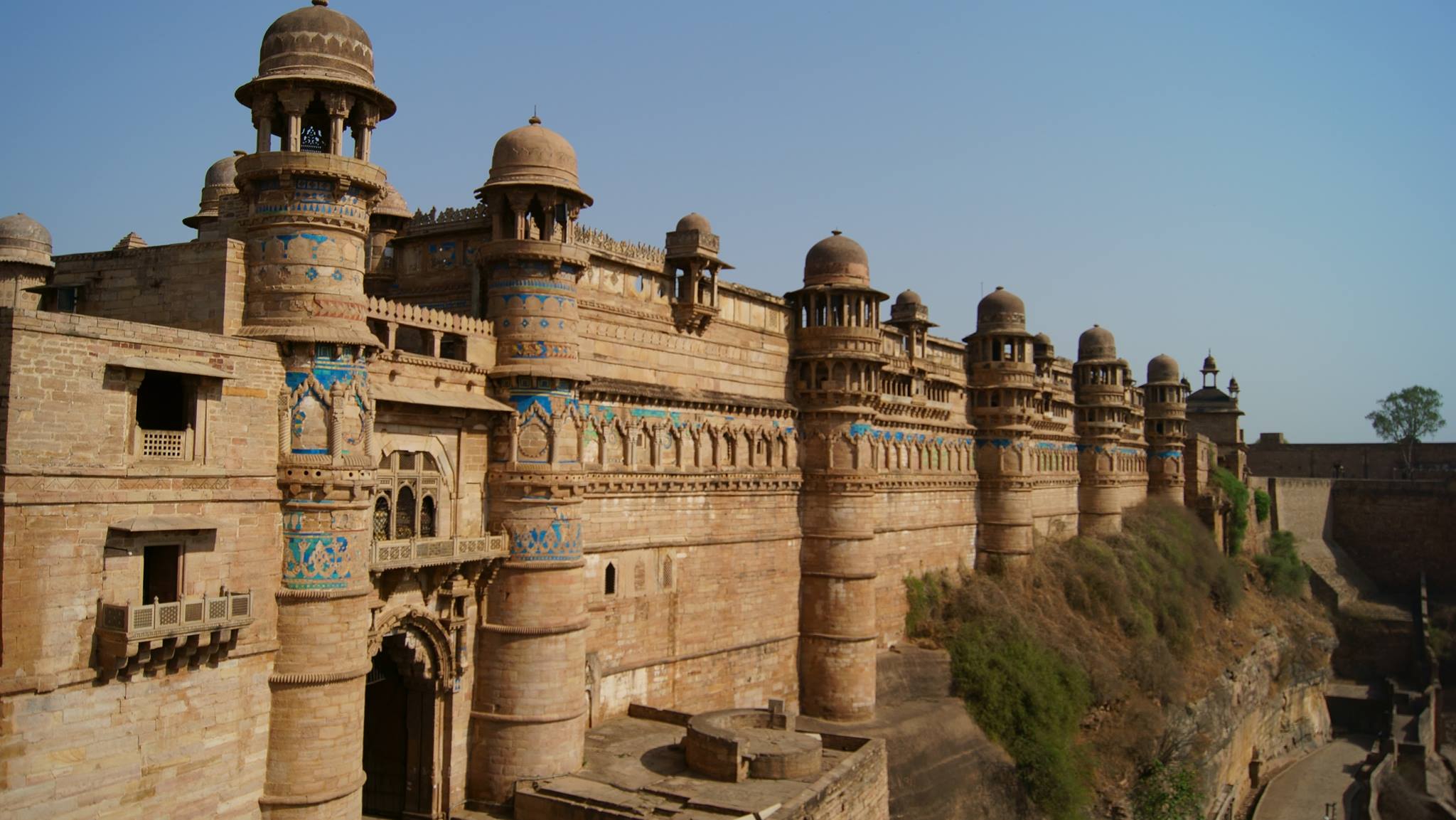
Listing & Documentation
Listing and Documentation of Tangible and Intangible Heritage
India’s heritage exists in both visible and invisible forms, monuments, artefacts, landscapes, traditions, oral histories, rituals, performing arts, and community practices. While tangible heritage can be seen and measured, intangible heritage lives through people, memory, and continuity.
However, a significant portion of this heritage remains undocumented, unrecorded, or at risk of being lost due to rapid social and cultural change.
The Listing and Documentation of Tangible and Intangible Heritage initiative is designed to systematically identify, record, and preserve these diverse forms of heritage. It creates structured documentation frameworks that capture not only physical attributes, but also cultural meanings, community associations, and historical context.
This initiative serves as a foundation for preservation, research, education, and policy development, ensuring that heritage is not only protected but also understood and valued.
Why This Initiative Matters
Without proper documentation, heritage cannot be effectively preserved or transmitted. Many traditions fade not because they lack value, but because they are not recorded, studied, or recognized in time.
Documentation helps create a lasting record, supports conservation efforts, and enables future generations to access knowledge that might otherwise disappear. It also empowers communities by validating their cultural practices and identities.
The initiative covers both tangible and intangible heritage across diverse contexts
Tangible Heritage
- Monuments, historic structures, and built environments
- Archaeological sites and cultural landscapes
- Artefacts, manuscripts, and archival materials
- Objects of historical, artistic, or cultural significance
Intangible Heritage
- Oral traditions and storytelling practices
- Performing arts, music, and dance forms
- Rituals, festivals, and social practices
- Traditional knowledge systems and craftsmanship
- Language, expressions, and community memory
Approach & Methodology
The documentation process follows a structured and research driven approach
- Identification and listing of heritage elements within a defined region or theme
- Field surveys and on site observations
- Interaction with community members, practitioners, and knowledge holders
- Audio, visual, and written documentation
- Preparation of detailed records including descriptions, significance, and context
- Classification and archiving using standardized formats
This ensures that documentation is accurate, comprehensive, and meaningful.
Preserve What Matters
Heritage survives when it is recognized, recorded, and respected.
Partner with Heritage Foundation to undertake Listing and Documentation of Tangible and Intangible Heritage and contribute to safeguarding India’s cultural legacy for future generations.
Preserve What Defines Us
Connect with us to explore projects, collaborations, and research initiatives
Connect with us