Latest News
Indian Heritage & Knowledge Systems
Indian Heritage & Knowledge Systems Program
Reconnecting Learners with India’s Living Legacy
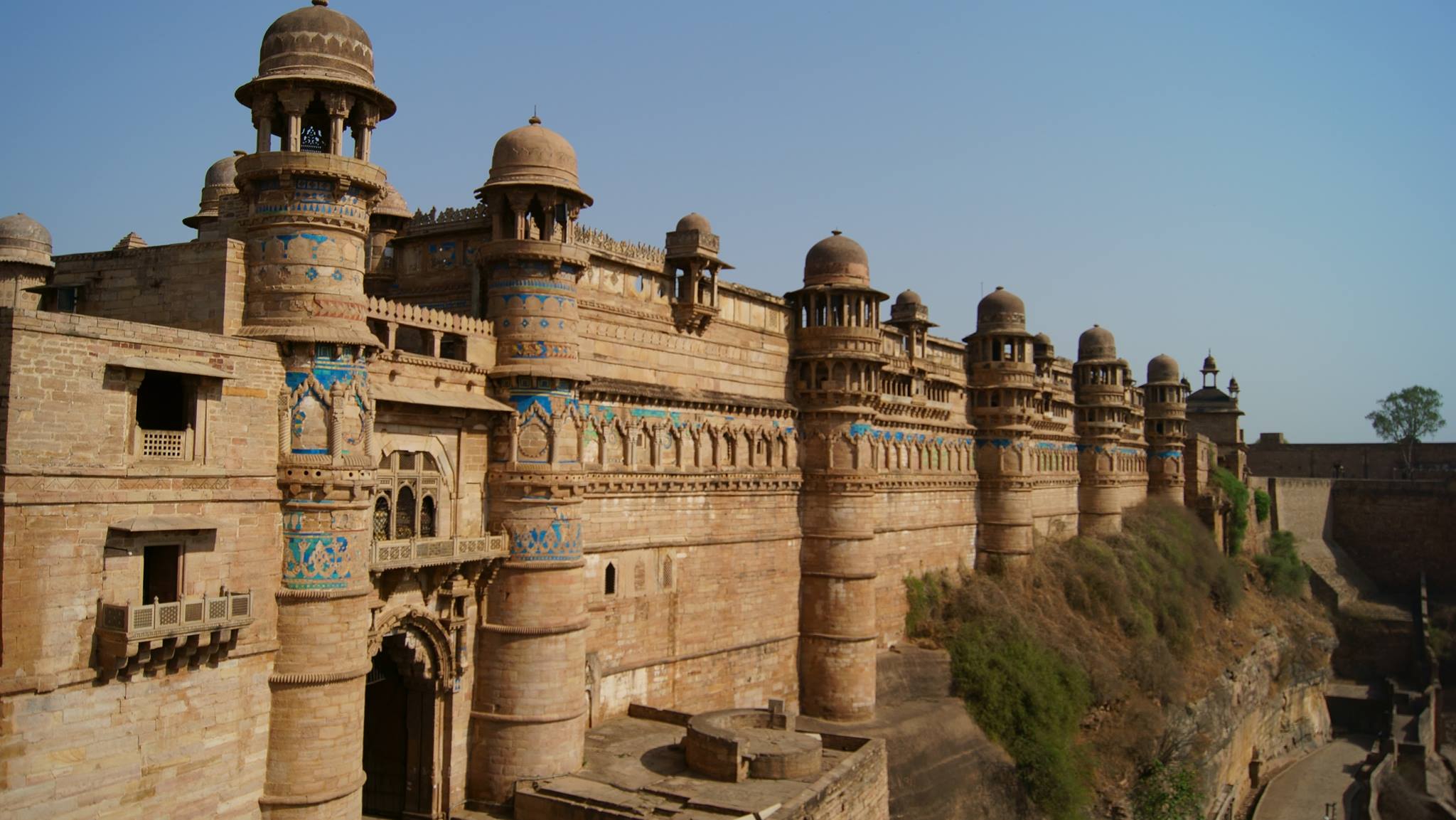
India’s heritage is not confined to monuments or museums; it exists in knowledge systems, artistic traditions, symbols, and everyday practices that continue to shape identity and society.
The Indian Heritage & Knowledge Systems Program is designed as a comprehensive educational journey that introduces learners to these diverse dimensions in a structured and engaging manner.
It brings together disciplines such as Indian Knowledge Systems, iconography, numismatics, philately, endangered art forms, and conservation studies to explore heritage as a dynamic and evolving resource.
The program moves beyond textbook learning to foster cultural literacy, critical thinking, and a deeper connection with India’s intellectual and artistic traditions.
Why This Program Matters
In contemporary education, heritage is often reduced to fragmented historical facts, disconnected from lived experience. This program addresses that gap by presenting heritage as an interconnected system of knowledge, practice, and meaning.
It helps learners understand how traditions evolve, how symbols communicate ideas, and how material culture reflects historical and social processes. At the same time, it nurtures a sense of responsibility towards preservation and cultural continuity.
Program Objectives
The program is designed to:
- Build a strong foundation in heritage concepts and Indian cultural frameworks
- Introduce Indian Knowledge Systems through scriptures, mythology, and intellectual traditions
- Develop visual literacy through the study of iconography and symbolism
- Familiarize learners with material culture through numismatics and philately
- Create awareness about endangered art forms and the need for preservation
- Establish understanding of conservation practices and ethical responsibility
- Encourage learners to become informed and responsible heritage citizens
- Provide a structured and replicable heritage education model for institutions
Learning Experience & Outcomes
Students engaging with this program develop both academic understanding and cultural perspective.
They gain the ability to interpret symbols, artefacts, and cultural narratives with greater depth. They begin to recognize the interconnectedness of knowledge systems, traditions, and historical developments.
Through exposure to diverse disciplines, learners develop analytical thinking, observational skills, and an appreciation for India’s intellectual heritage.
Most importantly, the program nurtures respect for cultural diversity and builds a sense of ownership towards preserving heritage for future generations.
Program Structure
The program is designed as a long term, structured engagement that integrates seamlessly with academic schedules.
- Duration, approximately nine to ten months
- Weekly engagement, two sessions per week
- Session length, forty five to sixty minutes
- Total sessions, approximately seventy to eighty
This format ensures continuity, depth of learning, and meaningful engagement over time.
Program Modules
The curriculum is divided into carefully designed modules that build progressively:
- Introduction to Heritage Studies
- Indian Knowledge Systems
- Iconography
- Numismatics
- Philately
- Endangered Art Forms
- Conservation Studies
- Heritage Integration & Discourse
Pedagogical Approach
The program follows an interdisciplinary and experiential learning model that includes:
- Concept-based teaching
- Visual and object-based learning
- Interactive discussions
- Activity-driven engagement
- Real-world cultural references
This approach ensures that learning remains contextual, immersive, and relevant.
Ideal For
- Schools seeking structured heritage education programs
- Middle and senior school students
- Institutions integrating culture with formal education
- Programs focused on holistic and interdisciplinary learning
Educational Value
This program goes beyond information, it builds awareness, sensitivity, and perspective.
It equips learners with the ability to understand heritage not as the past, but as a living, evolving force that continues to influence identity, creativity, and society.
Bring Heritage into the Classroom
Enable students to explore, understand, and engage with India’s rich cultural legacy in a meaningful way..
Partner with Heritage Foundation to implement the Indian Heritage & Knowledge Systems Program in your institution.
Partner With US
Connect with us to explore implementation and collaboration opportunities.
Connect with us